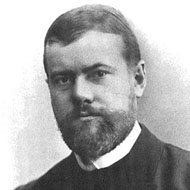
Karl Marx (1818-1883)
Philosopher
1
Daniel Dennett (1942-2024)
2
Friedrich Nietzsche (1844-1900)
3
Thomas Paine (1736-1809)
4
Immanuel Kant (1724-1804)
5
John Locke (1632-1704)
6
Ethan Allen (1738-1789)
7
William Blake (1757-1827)
8
Robert Hooke (1635-1703)
9
Alan Watts (1915-1973)
10
Niccolo Machiavelli (1469-1527)
11
Cometan, 25
12
Francis Bacon (1561-1626)
13
William Thompson (1775-1833)
14
Ralph Waldo Emerson (1803-1882)
15
Max Weber (1864-1920)
16
Hans Albert (1921-2023)
17
Max Black (1909-1988)
18
René Descartes (1596-1650)
19
David Lewis (1941-2001)
20
Miyamoto Musashi (1584-1645)
21
William James (1842-1910)
22
Muhammad Iqbal (1877-1938)
23
Jean-Paul Sartre (1905-1980)
24
BR Ambedkar (1891-1956)
25
Blaise Pascal (1623-1662)
26
Friedrich Engels (1820-1895)
27
Slavoj Zizek, 75
28
George Grant (1918-1988)
29
John Rawls (1921-2002)
30
Thomas Hobbes (1588-1679)
31
Diogenes Allen (1932-2013)
32
Ludwig Wittgenstein (1889-1951)
33
Montesquieu (1689-1755)
34
Dietrich Bonhoeffer (1906-1945)
35
Lokenath Brahmachari (1730-1890)
36
Jack Copeland, 73
37
Soren Kierkegaard (1813-1855)
38
David Malet Armstrong (1926-2014)
39
Ernest Nagel (1901-1985)
40
Kwame Anthony Appiah, 69
41
Averroes (1126-1198)
42
John Venn (1834-1923)
43
George Santayana (1863-1952)
44
Robert Nozick (1938-2002)
45
Bertrand Russell (1872-1970)
46
Tomas Garrigue Masaryk (1850-1937)
47
VY Mudimbe, 82
48
Philosophers by Age
Philosophers by Country
Philosopher Trivia